You have successfully logged out.

Hello !
Logout

Decrease the potential risk of stoma leakage 

Convex ostomy bags - a solution for your patients?

Stoma complications can occur within one month after surgery but also at a later stage.[1] Some of the contributing factors may be the stoma placement, its characteristics, fistula formation or a high liquid output.[1] When any of these obstacles arise, effluents may irritate the peristomal skin and even seep under the stoma wafer.[2] As a result, the adhesion of the device can be compromised, and the surrounding area may also be irritated.[3]
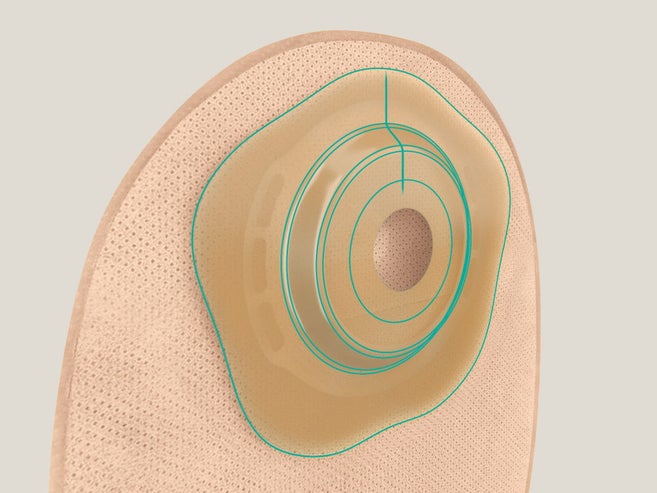
Macro of Flexima Active O' convex wafer with green lines highlighting soft convexity

If your patient suffers from stoma leakage, a convex stoma appliance may solve the issue. You can determine whether it is suitable by assessing the type of stoma and the patient’s abdominal contours.

When should you suggest a convex stoma system?
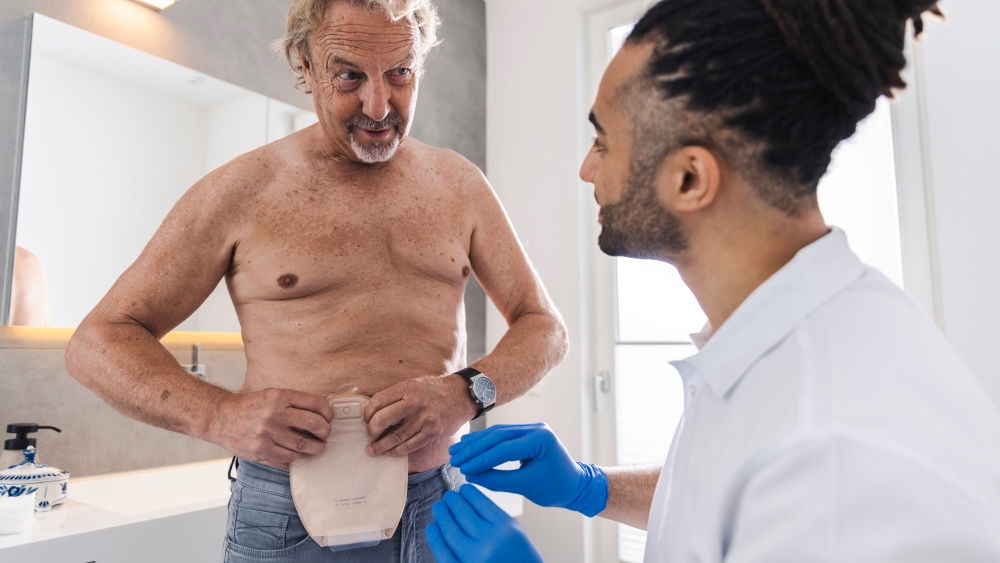
Man with stoma bag on naked upper body with male nurse with gloves indicating him how to apply the bag
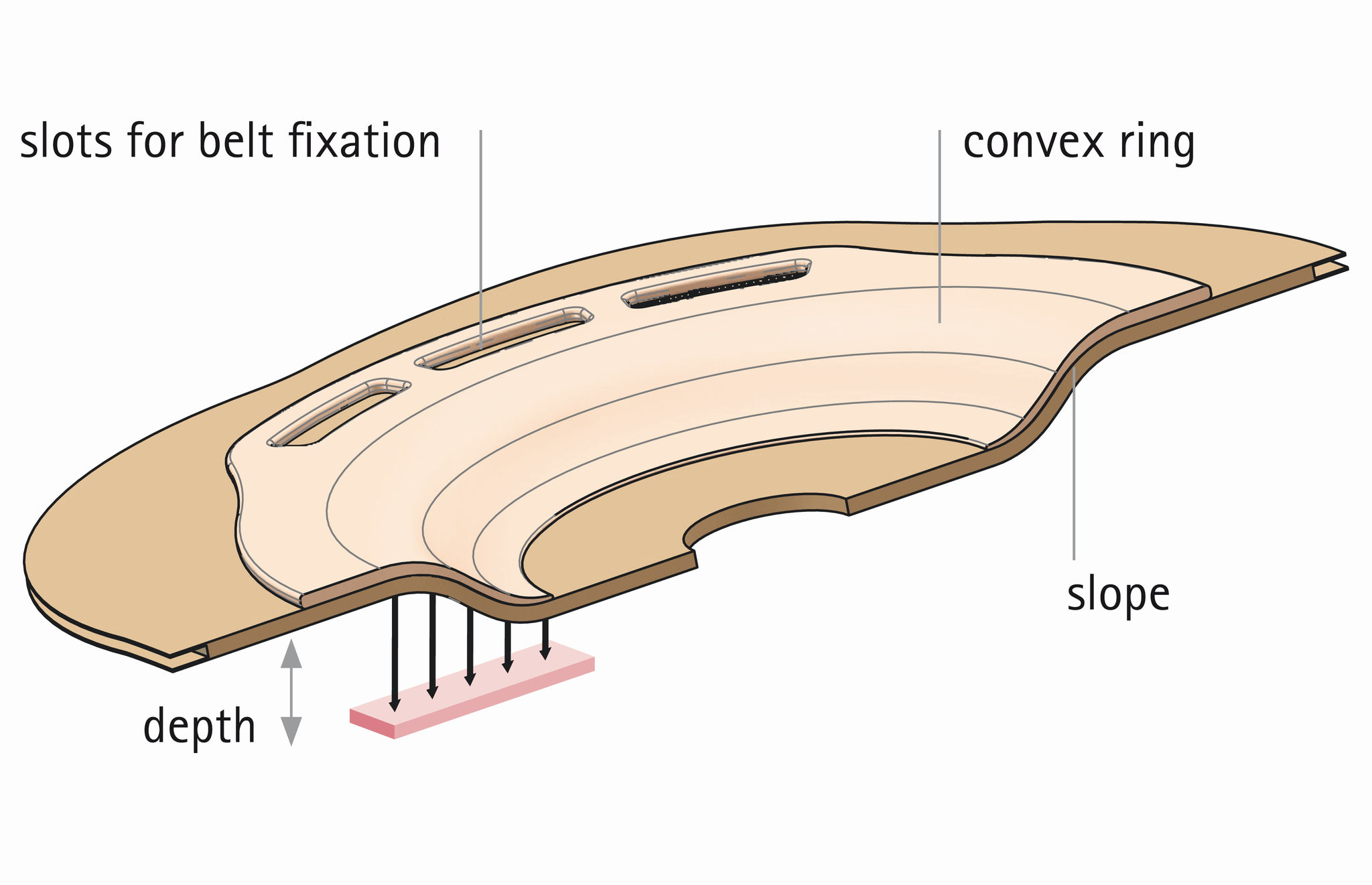
Gently sloping convexity
Illustration of the convex cross-section of a wafer with description
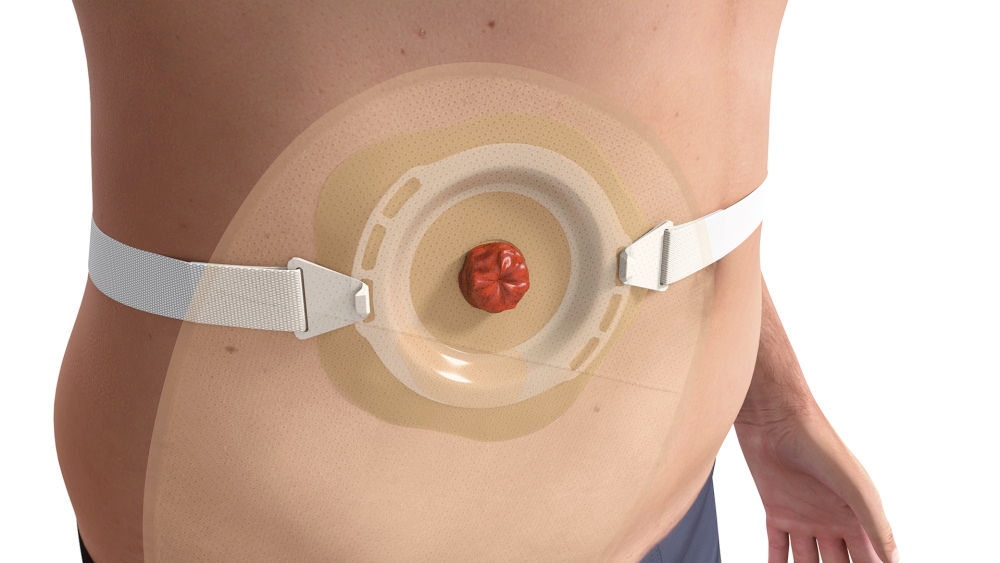
Illustration of convex stoma bag  applied around a stoma
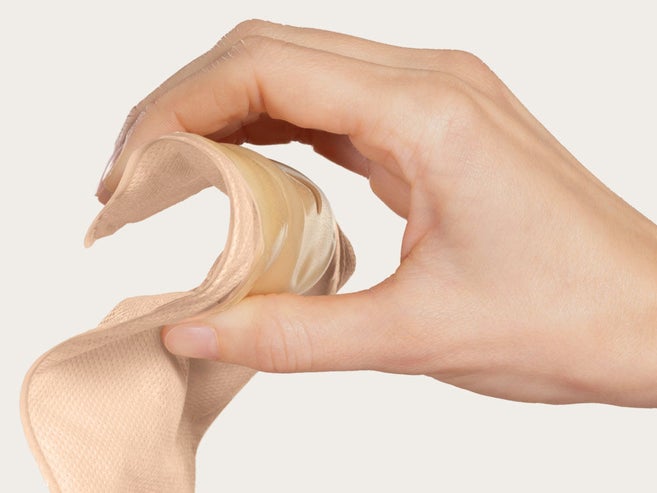
Hand presses the wafer of a soft convex stoma bag to demonstrate its flexibility
portrait of the woman with glasses

“I’ve seen some great results using Flexima Active O ´convex with patients with "uneven" peristomal surroundings. The soft convex is "soft enough" and has the "needed pressure" for this kind of skin. You know the bellies and stomas are usually not ideal, as literature shows. But our patients need the help to live normally. And one solution for me now is Flexima Active O´ convex.”

Mgr. Zuzana Šilhánková, Ostomy Nurse, Czech Republic
portrait of the woman smiling

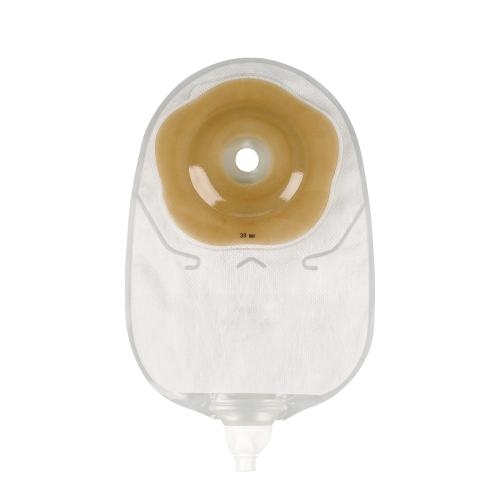
“I love Softima Active Convex Uro. It gives me the option to use a soft convex appliance (and belt) on some friable post-op stomas where I might be hesitant to use a "normal" convex one. I’ve seen some great results using this with patients recently where I was worried about pressure around the mucocutaneuos junction. I find the convexity is soft yet stable and that’s what makes the difference!”

Kayleigh Brownlee-Moore – United Kingdom
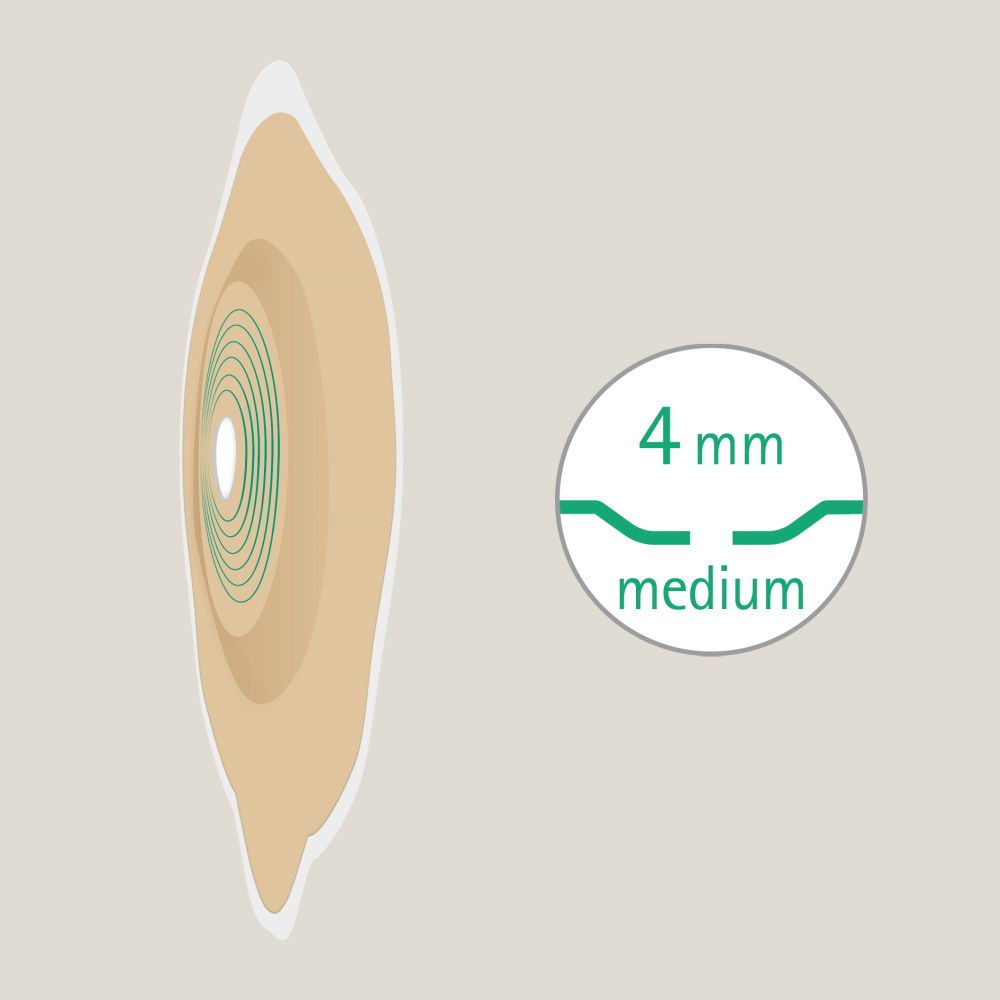
Side view of Flexima Active O' convex wafer of 4 mm depth
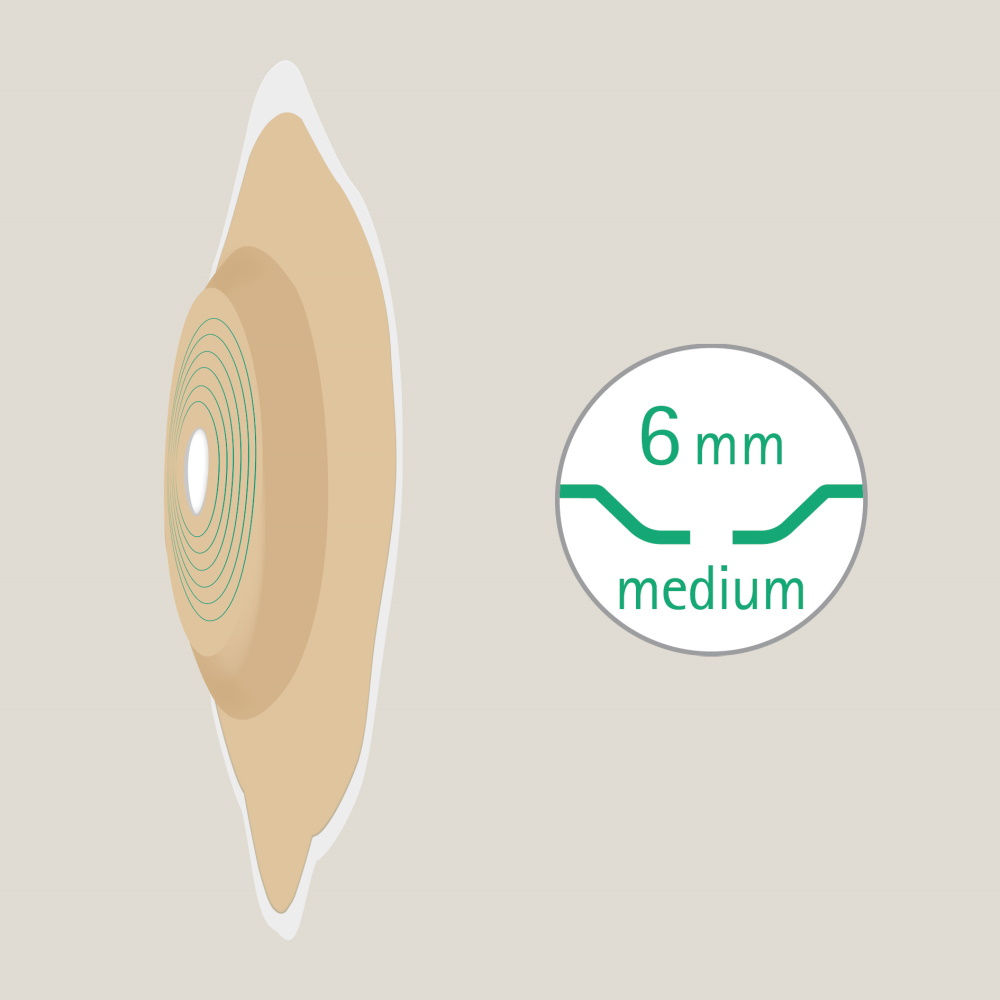
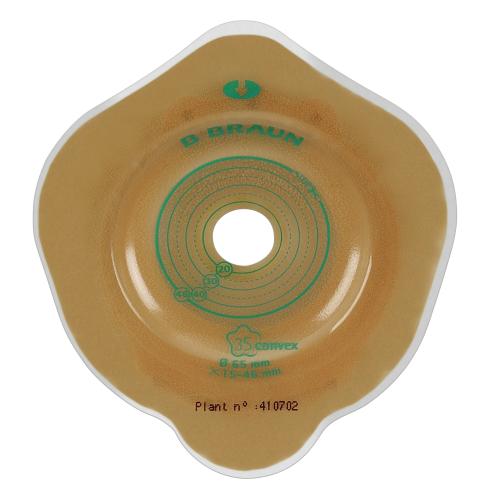
Side view of Flexima 3S convex wafer of 6 mm depth

Flexima® 3S Convex Wafers

Flexima® 3S is a 2-piece range with a guided mechanical coupling system for an easy positioning of the stoma bag onto the wafer. Flexima® 3S convex wafers are designed for flush or slightly retracted stomas to be used with the Flexima® 3S closed, drainable or urostomy bags. Full skin protector layerGentle convexity of  6 mm, designed to provide a sufficient level of pressure, evenly spread out on the peristomal areaMechanical flexible coupling ring with guiding system allowing three different bag positionsSlots for belt fixation, three different positions availableAvailable in: Ø45 mm: cut-to-fit Ø15-26 mm and pre-cut Ø25 mmØ55 mm: cut-to-fit Ø15-36 mm and pre-cut Ø30 mmØ65 mm: cut-to-fit Ø15-46 mm  Boxes of 5 wafers

Flexima® 3S Drainable Bags

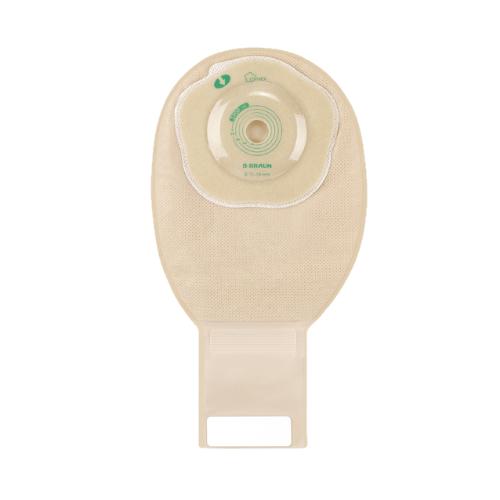
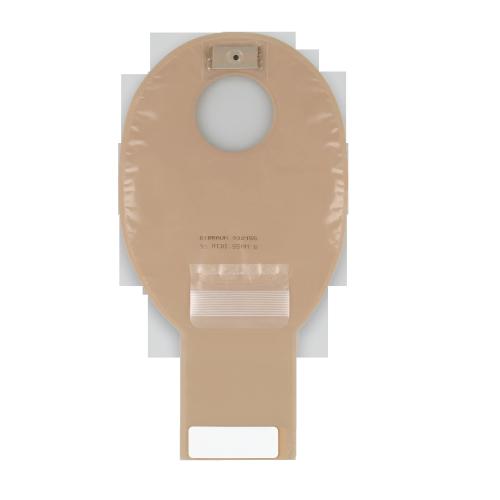
Flexima® 3S is a 2-piece range with a guided mechanical coupling system for an easy positioning of the stoma bag onto the wafer. Its ergonomically shaped drainable bags have an integrated Roll'up soft clamp. They are available in two different sizes, midi and maxi.   Intuitive and secure closing system: Outlet with integrated self-gripping soft clamp7 cm wide outlet openingThe edges are softened to increase the wearing comfort once the Roll'up outlet is closedOnce folded and closed, the drainable bag has a shape as compact as of a colostomy bag.   High performance protected filter (HP): Improved deodorization capacity through its high-tech breathable membraneLeak-proof and permeable to gases   Colors and capacity (volume as per ISO 8670-2): Midi: Ø45 mm: capacity of +/- 650 ml, beige and transparentØ55 mm: capacity of +/- 635 ml, beige and transparentØ65 mm: capacity of +/- 615 ml, beige and transparent Maxi: Ø45 mm: capacity of +/- 805 ml, beige and transparentØ55 mm: capacity of +/- 785 ml, beige and transparentØ65 mm: capacity of +/- 755 ml, beige and transparentØ80 mm: capacity of +/- 715 ml, beige and transparent Box of 30 bags   Material: Soft non-woven and odor-proof plastic filmFree of latex (PVC) and phthalates (DEHP)

Flexima® 3S High Flow Bags

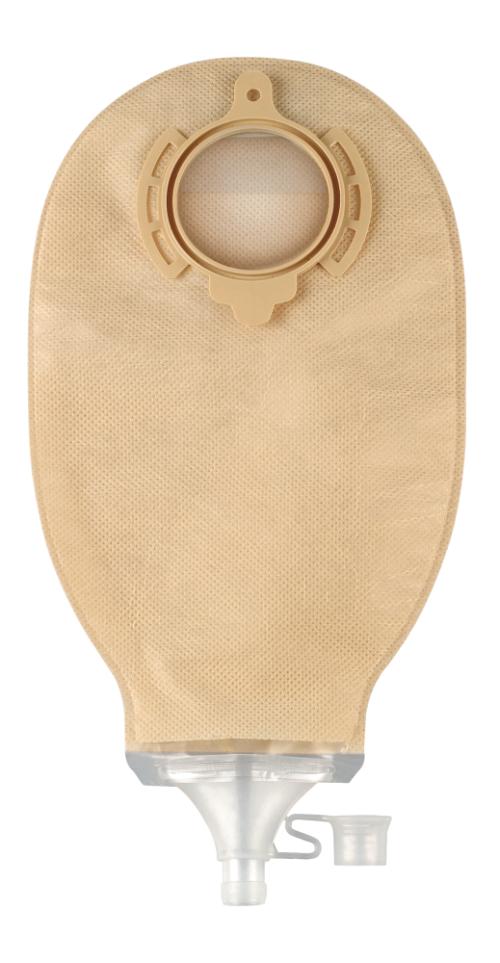
Flexima® 3S is a 2-piece range with a guided mechanical coupling system for an easy positioning of the stoma bag onto the wafer. The Flexima® 3S High Flow bags are designed to collect a large quantity of body effluents.    Compact bag shape with large outlet: Ergonomic and optimized bag design for large capacity with funnel-shaped lower part14 mm large outletCan be connected to the Flow Collector, a distal collecting bag To be used with the Flexima® 3S wafer corresponding to the chosen diameter of the bagBox of 30 high-flow drainable bags   Colors and capacity (volume as per ISO 8670-2): In addition to the transparent bags we are offering also beige split cover bags (with inspection window) that combine both the discretion of a beige stoma bag and the visual control to check easily stoma or stool aspect and quantity. Ø55 mm: capacity of +/- 970 ml, beige with inspection window and transparentØ65 mm: capacity of +/- 940 ml, beige with inspection window and transparentØ80 mm: capacity of +/- 900 ml, beige beige with inspection window and transparent   High performance protected filter (HP): Improved deodorization capacity through its high-tech breathable membraneLeak-proof and permeable to gases   Material: Soft non-woven and odor-proof plastic filmFree of latex (PVC) and phthalates (DEHP)  

References

 
  1. Malik T, Lee MJ, Harikrishnan AB. The incidence of stoma related morbidity - a systematic review of randomised controlled trials. Ann R Coll Surg Engl. 2018 Sep;100(7):501-508. doi: 10.1308/rcsann.2018.0126. Epub 2018 Aug 16. PMID: 30112948; PMCID: PMC6214073.
  2. Evans M, White P. Selecting convexity to improve and maintain peristomal skin integrity. Br J Nurs. 2020 Sep 10;29(16):S8-S14. doi: 10.12968/bjon.2020.29.16.S8. PMID: 32901550
  3. Andersen NK, Trøjgaard P, Herschend NO, Størling ZM. Automated Assessment of Peristomal Skin Discoloration and Leakage Area Using Artificial Intelligence. Front Artif Intell. 2020 Sep 10;3:72. doi: 10.3389/frai.2020.00072. PMID: 33733189; PMCID: PMC7861335
  4. Rolls N, Yssing C, Bøgelund M, Håkan-Bloch J, de Fries Jensen L. Utilities associated with stoma-related complications: peristomal skin complications and leakages. J Med Econ. 2022 Jan-Dec;25(1):1005-1014. doi: 10.1080/13696998.2022.2101776. PMID: 35833520.
  5. Nafees B, Størling ZM, Hindsberger C, Lloyd A. The ostomy leak impact tool: development and validation of a new patient-reported tool to measure the burden of leakage in ostomy device users. Health Qual Life Outcomes. 2018 Dec 14;16(1):231. doi: 10.1186/s12955-018-1054-0. PMID: 30547808; PMCID: PMC6295083.
  6. Cronin E. A guide to the appropriate use of convex stoma care products. Gastrointestinal Nursing 2013; Vol. 6, No. 2. DOI: 10.12968/gasn.2008.6.2.28803. ISSN: 14795248
  7. Perrin A. Convex stoma appliances: an audit of stoma care nurses. Br J Nurs. 2016 Dec 8;25(22):S10-S15. doi: 10.12968/bjon.2016.25.22.S10. PMID: 27935354.
  8. Hoeflok J, Salvadalena G, Pridham S, Droste W, McNichol L, Gray M. Use of Convexity in Ostomy Care: Results of an International Consensus Meeting. J Wound Ostomy Continence Nurs. 2017 Jan/Feb;44(1):55-62. doi: 10.1097/WON.0000000000000291. PMID: 28002174; PMCID: PMC5266410.
  9. Turnbull GB. 2003. The Ostomy Files: The Convexity Controversy. https://www.hmpgloballearningnetwork.com/site/wmp/content/the-convexity-controversy. Accessed November 1, 2022.
  10. Hoeflok J, Kittscha J, Purnell P. Use of convexity in pouching: a comprehensive review. J Wound Ostomy Continence Nurs. 2013 Sep-Oct;40(5):506-12. doi: 10.1097/WON.0b013e3182a219b7. PMID: 24448619.
  11. Richbourg L, Thorpe JM, Rapp CG. Difficulties experienced by the ostomate after hospital discharge. J Wound Ostomy Continence Nurs. 2007 Jan-Feb;34(1):70-9. doi: 10.1097/00152192-200701000-00011. PMID: 17228210.

* except for Proxima® 2+, which has one hooking position for the belt